Rheinhold’s sculpture invites questions about human origins, scientific knowledge and the ways we understand ourselves. These pages bring together the sculpture’s history, its maker and interpretations of its enduring themes.
Explore the sculpture & the sculptor
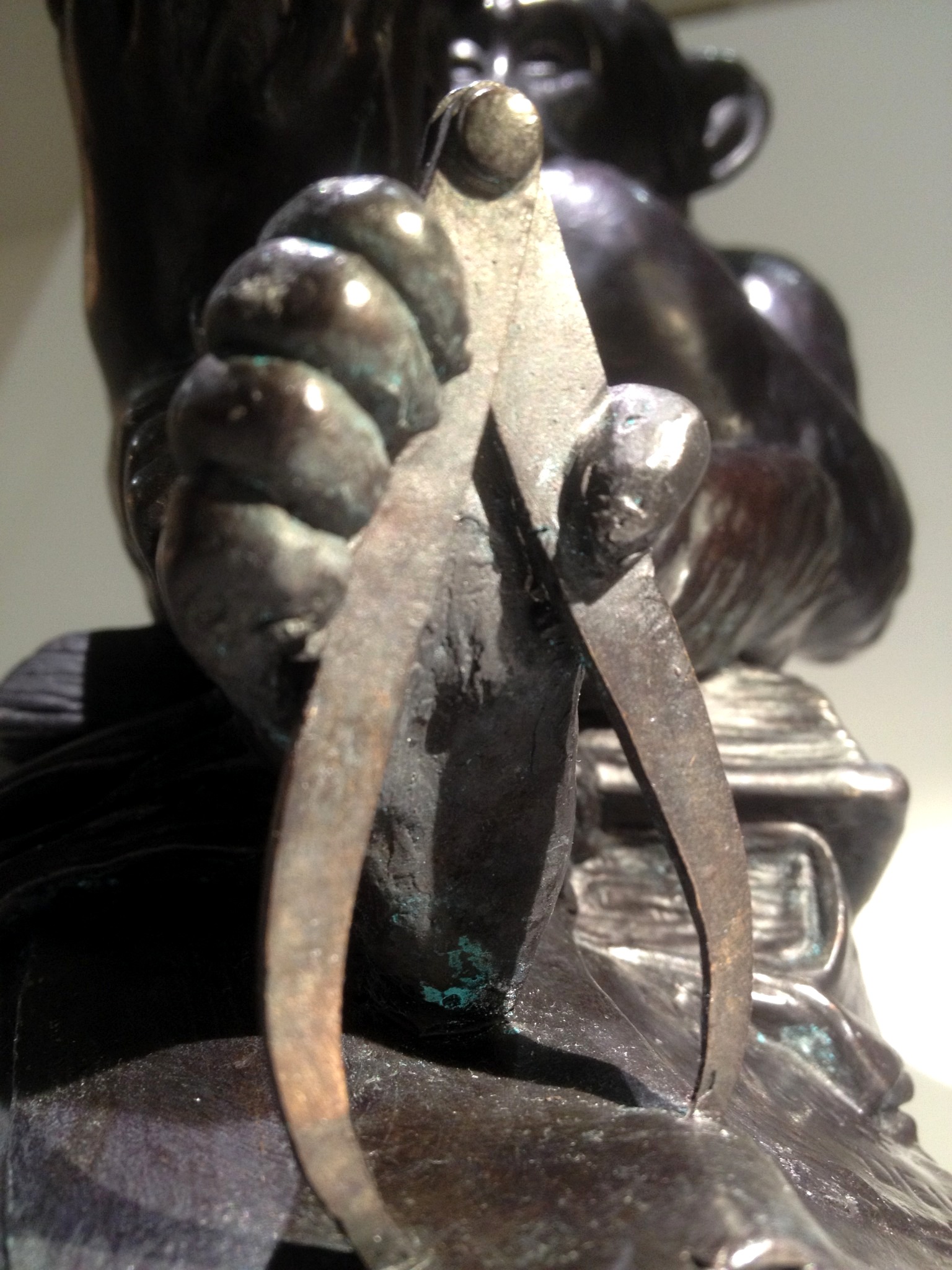 The SculptureExamine the bronze in detail: the thoughtful ape, human skull, measuring callipers, Darwin’s books and biblical inscription, and the questions these objects raise about humanity and knowledge.
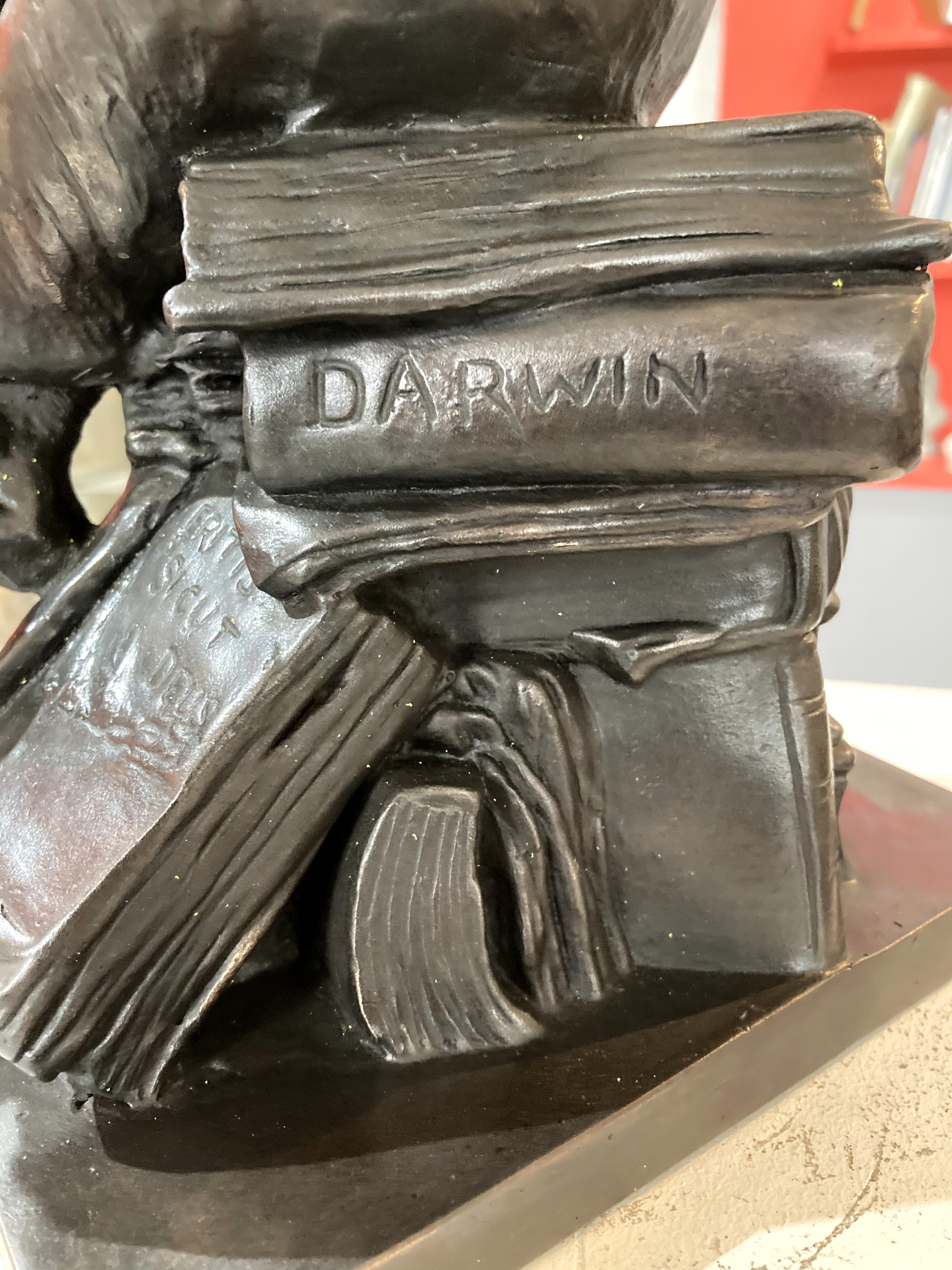 History & MeaningTrace the sculpture’s origins in late-nineteenth-century Berlin, its reception and changing interpretations, and the intellectual climate shaped by Darwinism, religion and debates about the place of humanity.
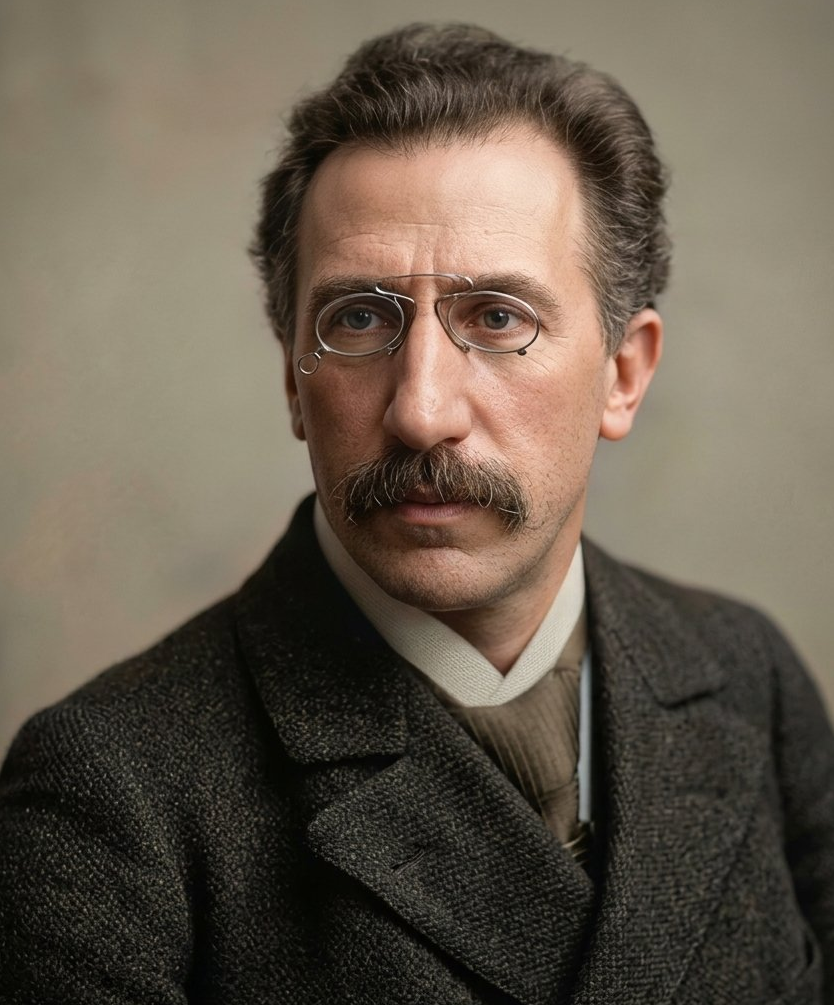 Hugo RheinholdDiscover Hugo Rheinhold’s life, artistic training and wider work, from his early career to the creation of Affe mit Schädel and the ideas that informed his sculpture.
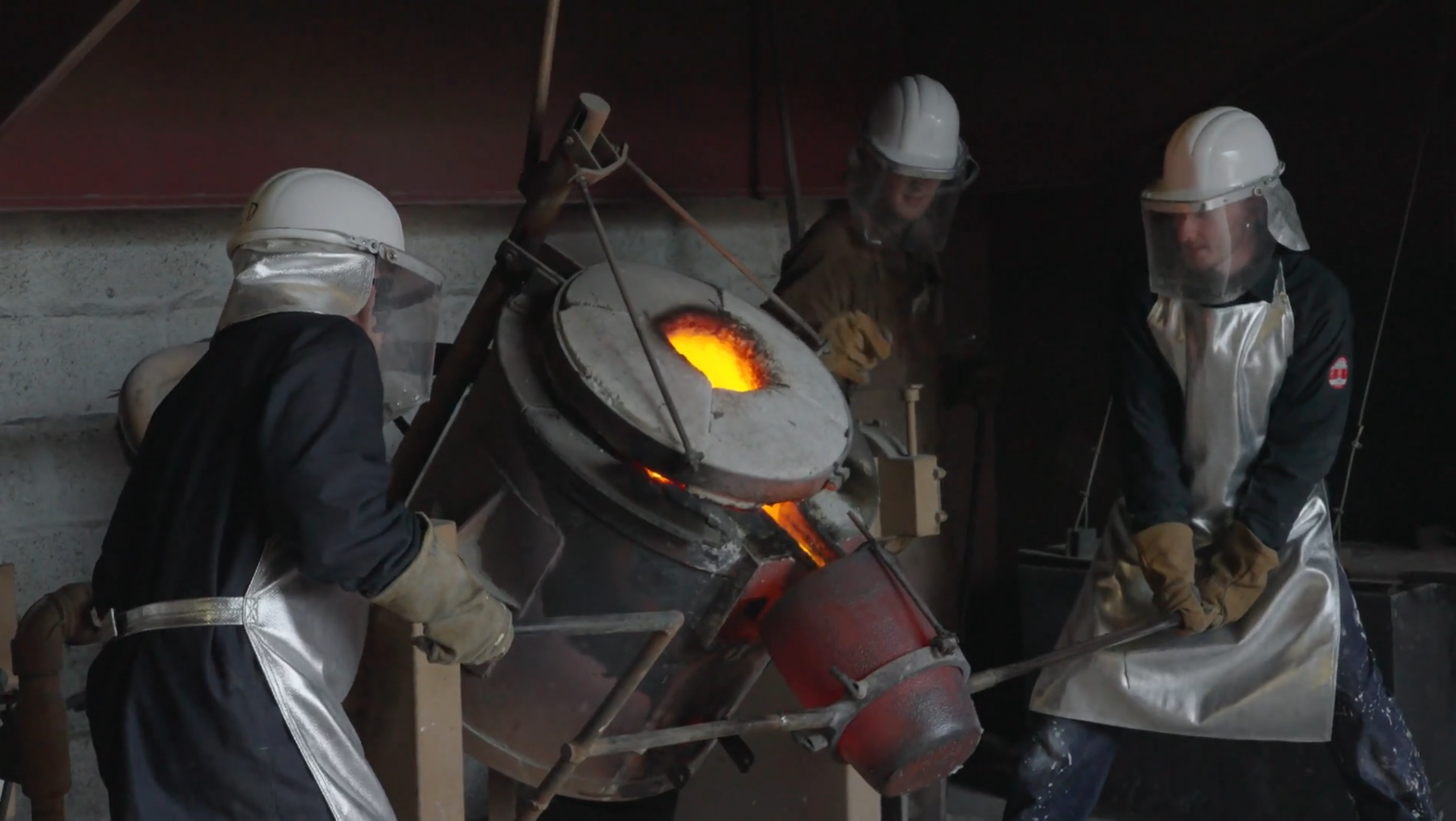 Making the BronzeFollow the making of an Edinburgh bronze, from preparing the wax model and investment mould to pouring molten metal, finishing the casting and applying its patina.
Essays & interpretations
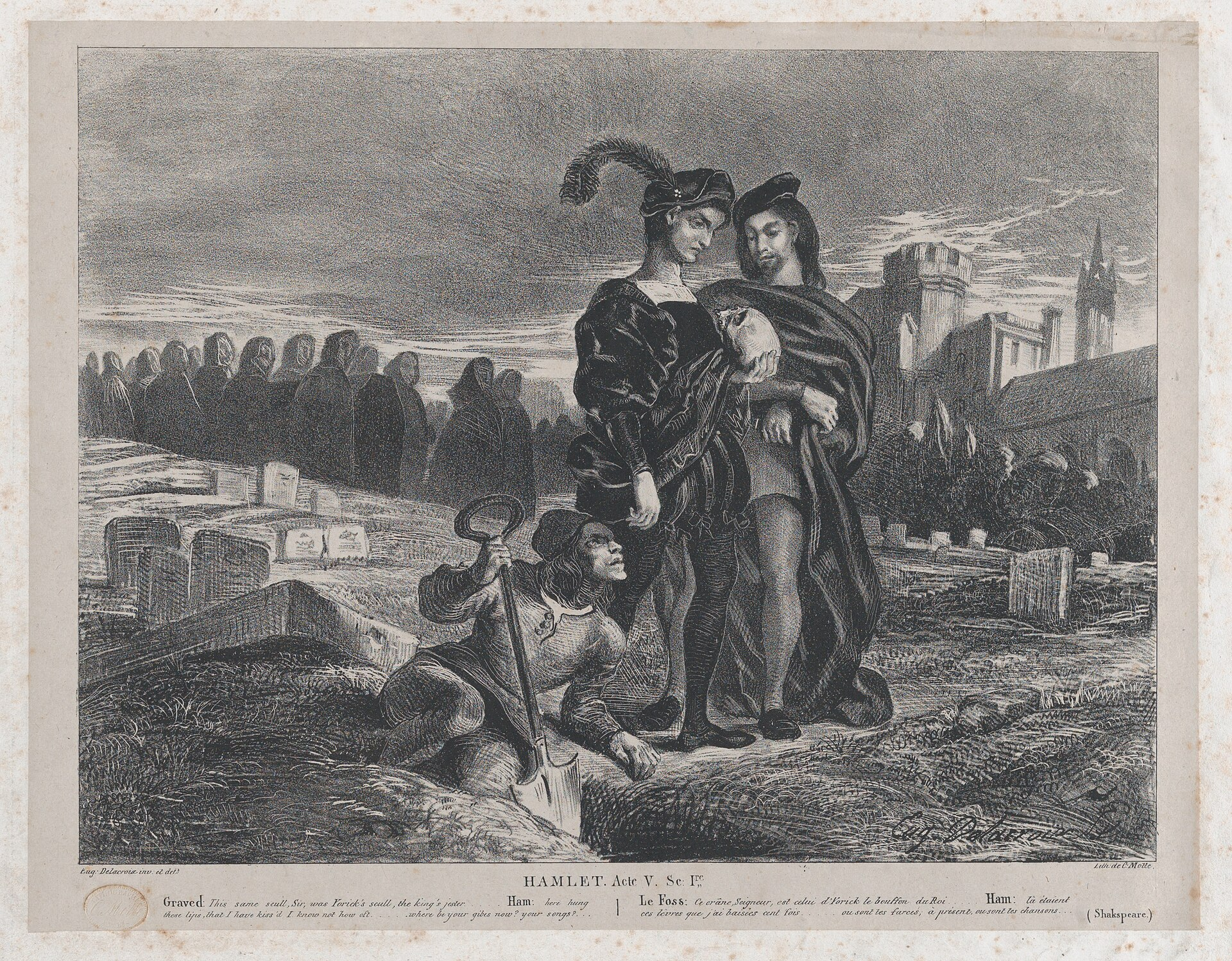 The Monkey as an Intellectual PuzzleExplore an intriguing encounter between Hamlet’s skull, Darwinian evolution and the biblical promise of knowledge. The essay considers how Rheinhold’s ape turns familiar symbols of human understanding back upon humanity.
 The Thinker and the ApeReconsider comparisons between Rodin and Rheinhold through evolutionary behaviour, the history of the contemplative posture, and images of thinkers from prehistory to nineteenth-century Europe.
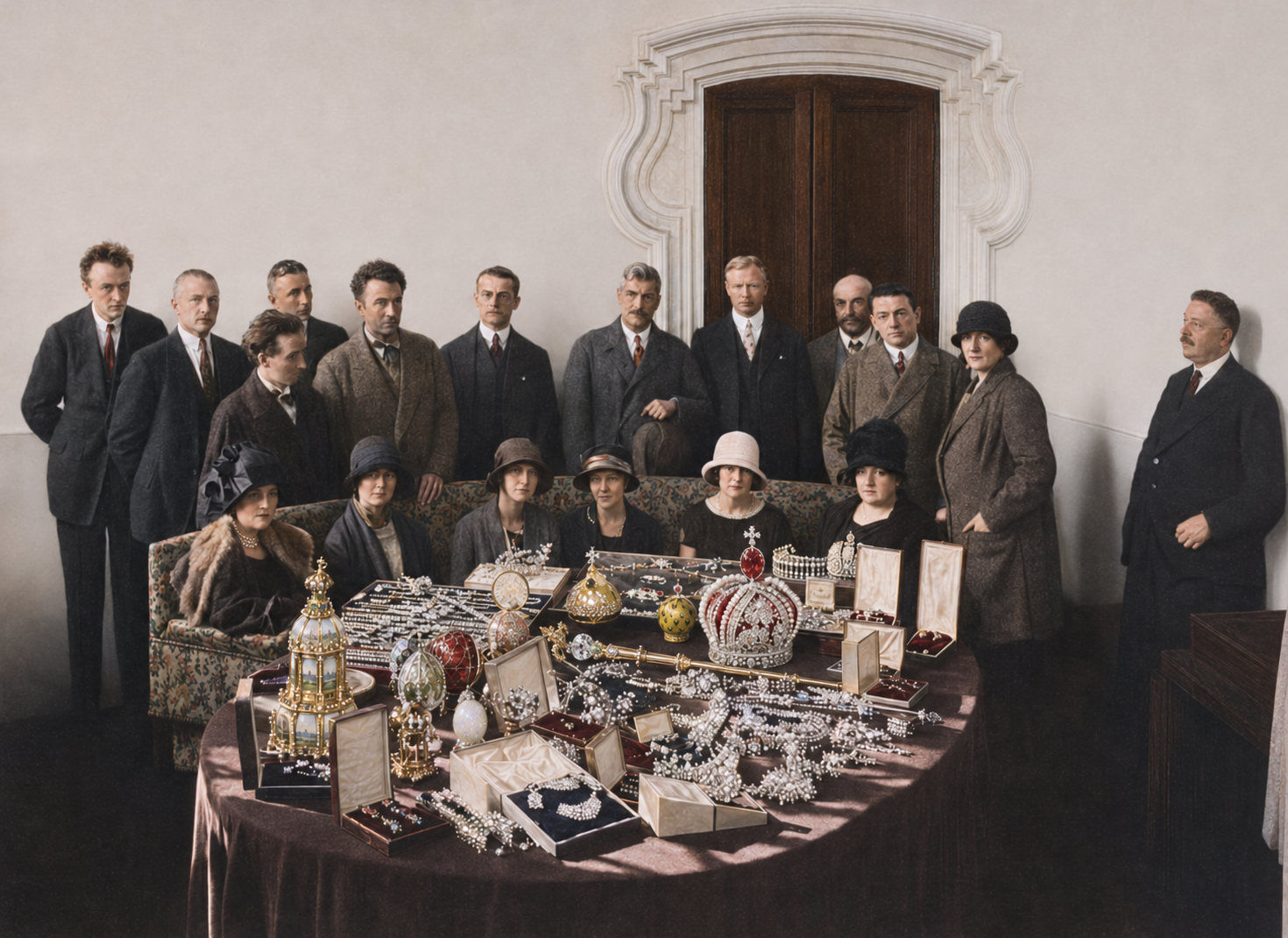 The Monkey on Lenin’s DeskFollow Rheinhold’s bronze from its German origins to Lenin’s Kremlin study through Armand Hammer’s Soviet connections, the Russian Revolution and later interpretations of this unexpected political artefact.
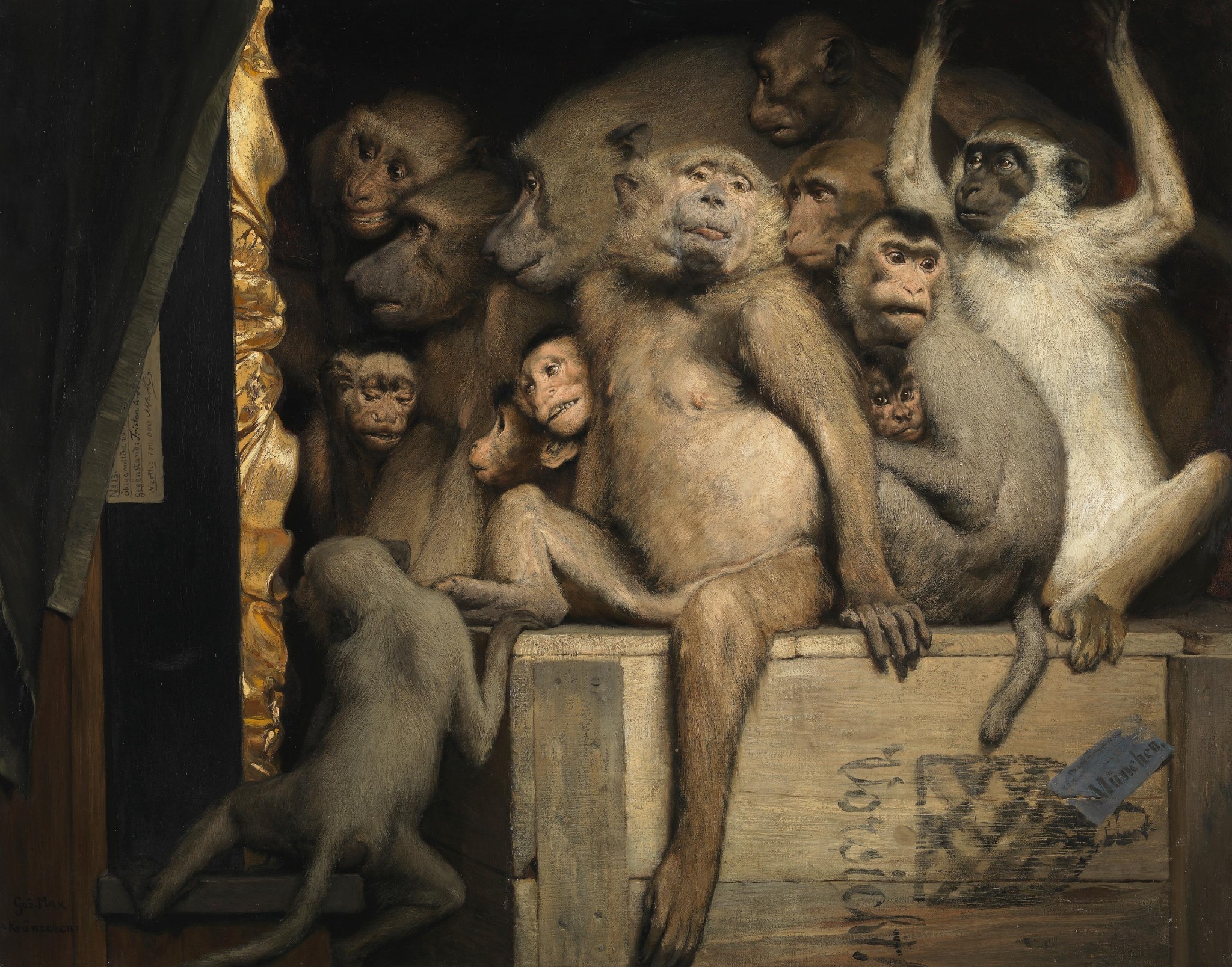 The Monkey in the MirrorFollow the image of the monkey through centuries of European art, from medieval symbolism and Dürer to Goya and Gabriel von Max, before returning to Rheinhold’s unsettling reversal of human and animal roles.
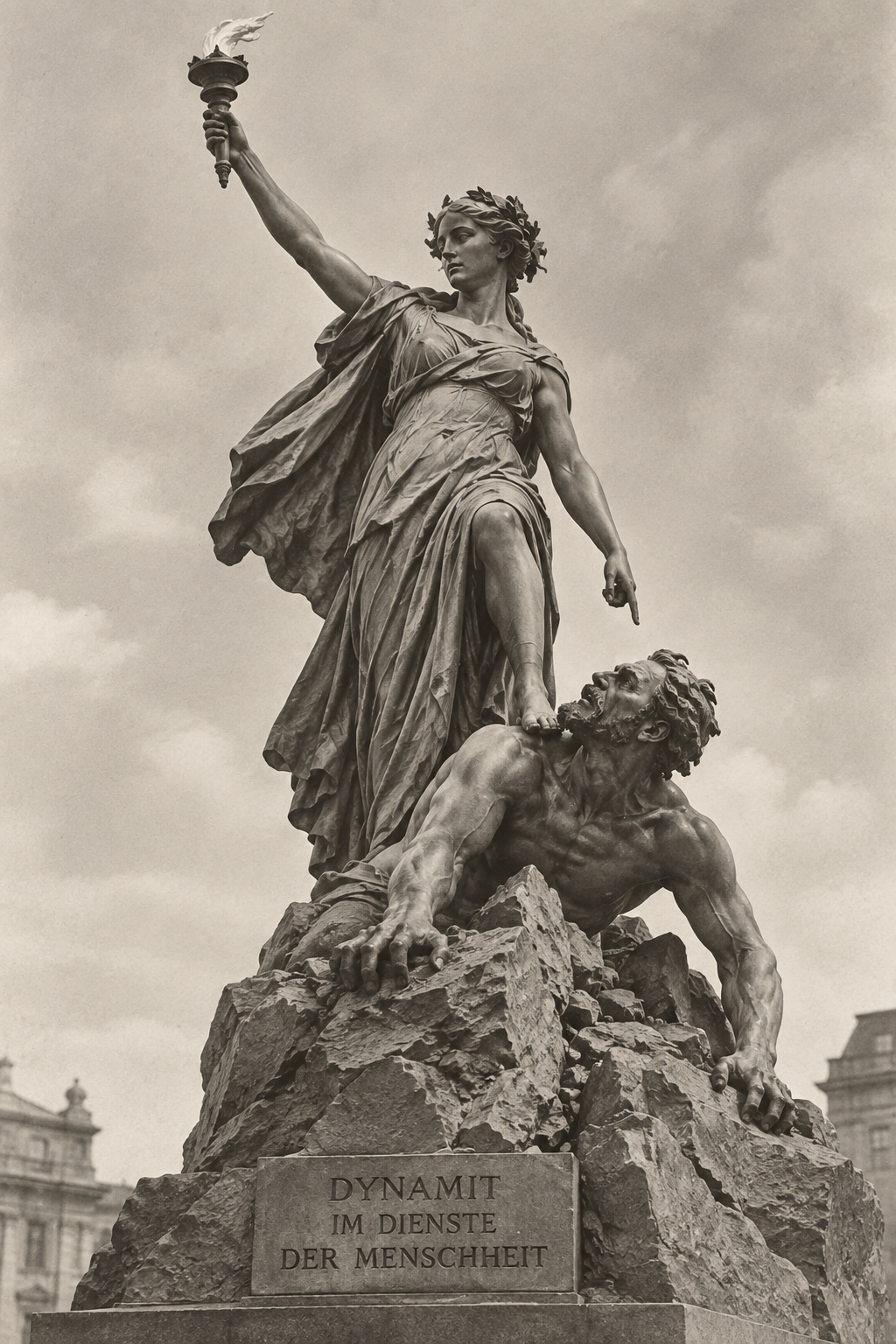 The Materiality of DoubtExamine the bronze against the intellectual culture of Wilhelmine Berlin: artistic realism, craniometric measurement, scientific authority and ethical doubt. A closely argued interpretation of Rheinhold’s visual and philosophical choices.
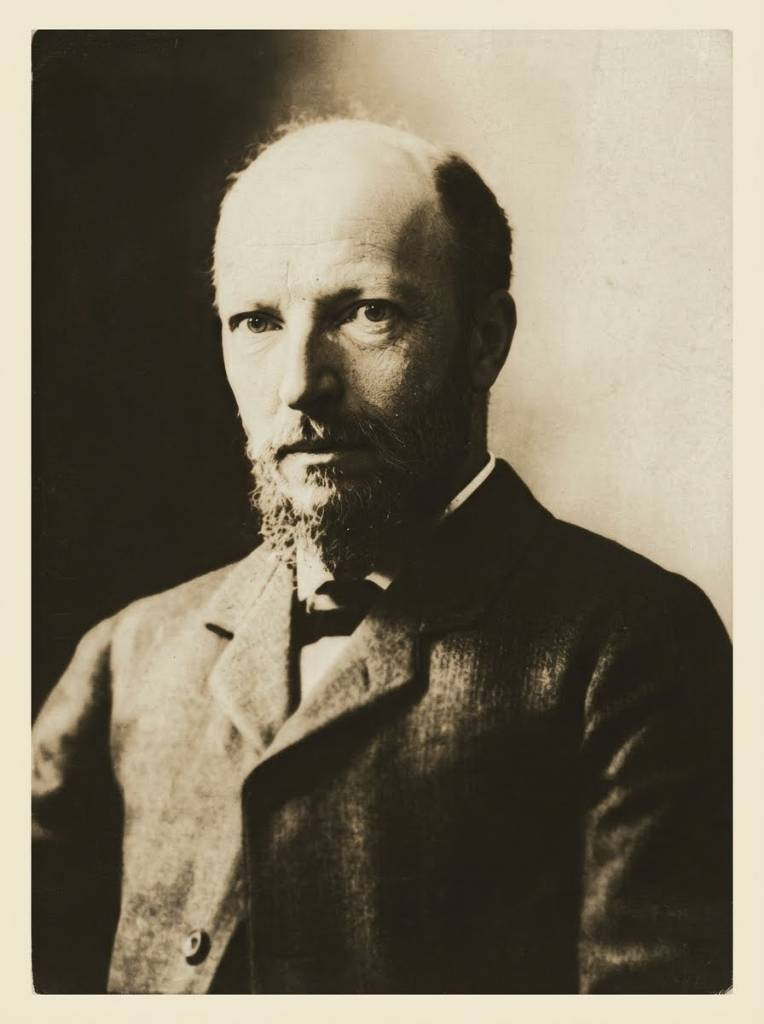 Hugo Rheinhold: Science, Judaism and the Ethical Culture MovementExplore the intersection of Rheinhold’s scientific interests, Jewish background and engagement with secular ethics, including the wider Ethical Culture movement and the ideas of Felix Adler. With historical sources and bibliography.
Original sources & translations
 Anton von Werner: Speeches, 1888–1892Read six Academy addresses delivered by Anton von Werner during Rheinhold’s student years, presented alongside original German page images and complete, page-aligned English translations for direct historical comparison.
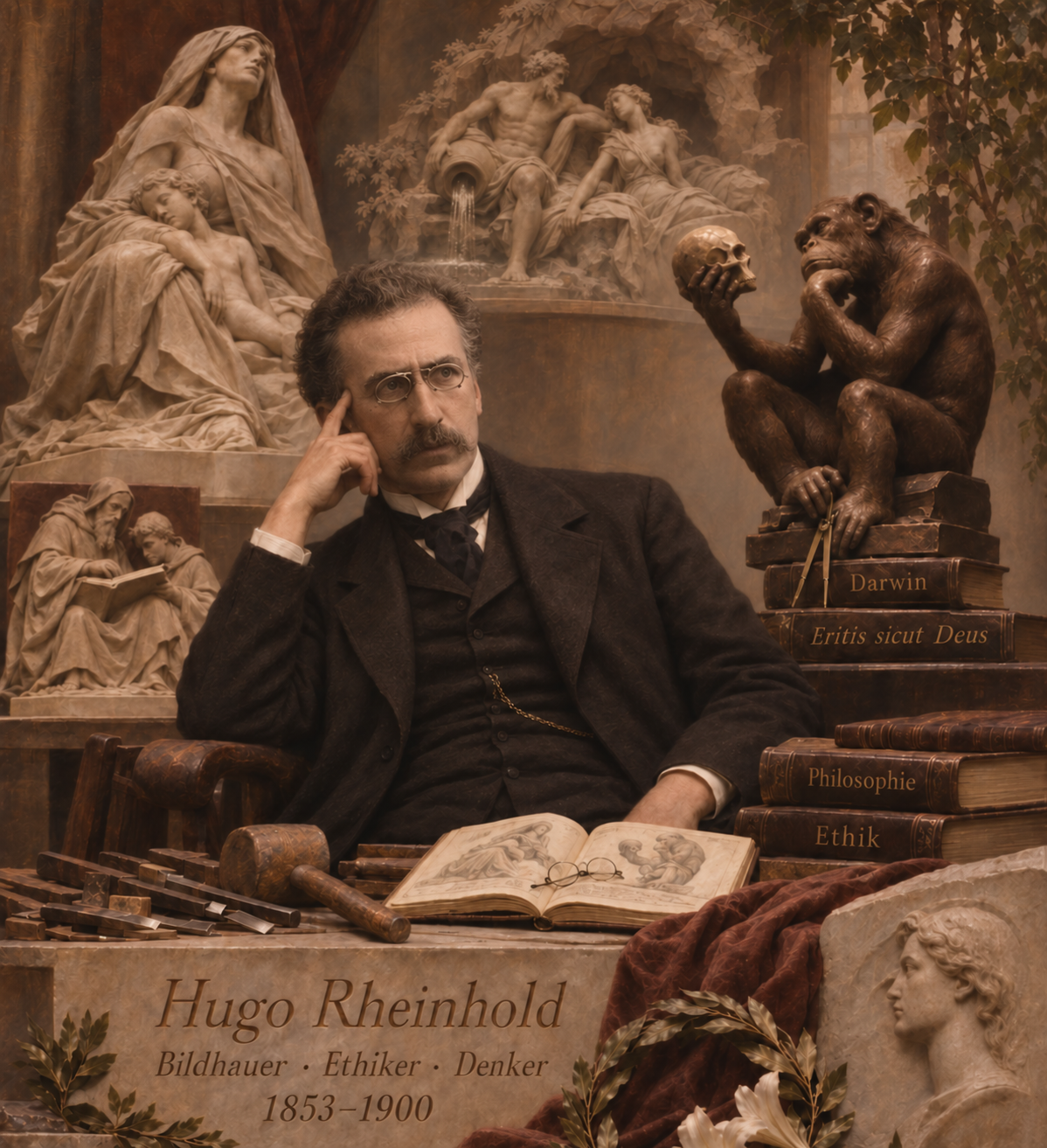 Hugo Rheinhold † — An Obituary from 1900Read a contemporary memorial to Hugo Rheinhold published in Ethische Kultur, presented with the original German page image and a complete English translation. Includes biographical detail, ethical context and an early assessment of his art.
 Wie ich ein anderer Mensch geworden binRead Rheinhold’s 1893 autobiographical sketch “How I Became Another Man”, presented with the original German page images and a complete English translation. A witty, revealing source later singled out in his 1900 obituary.
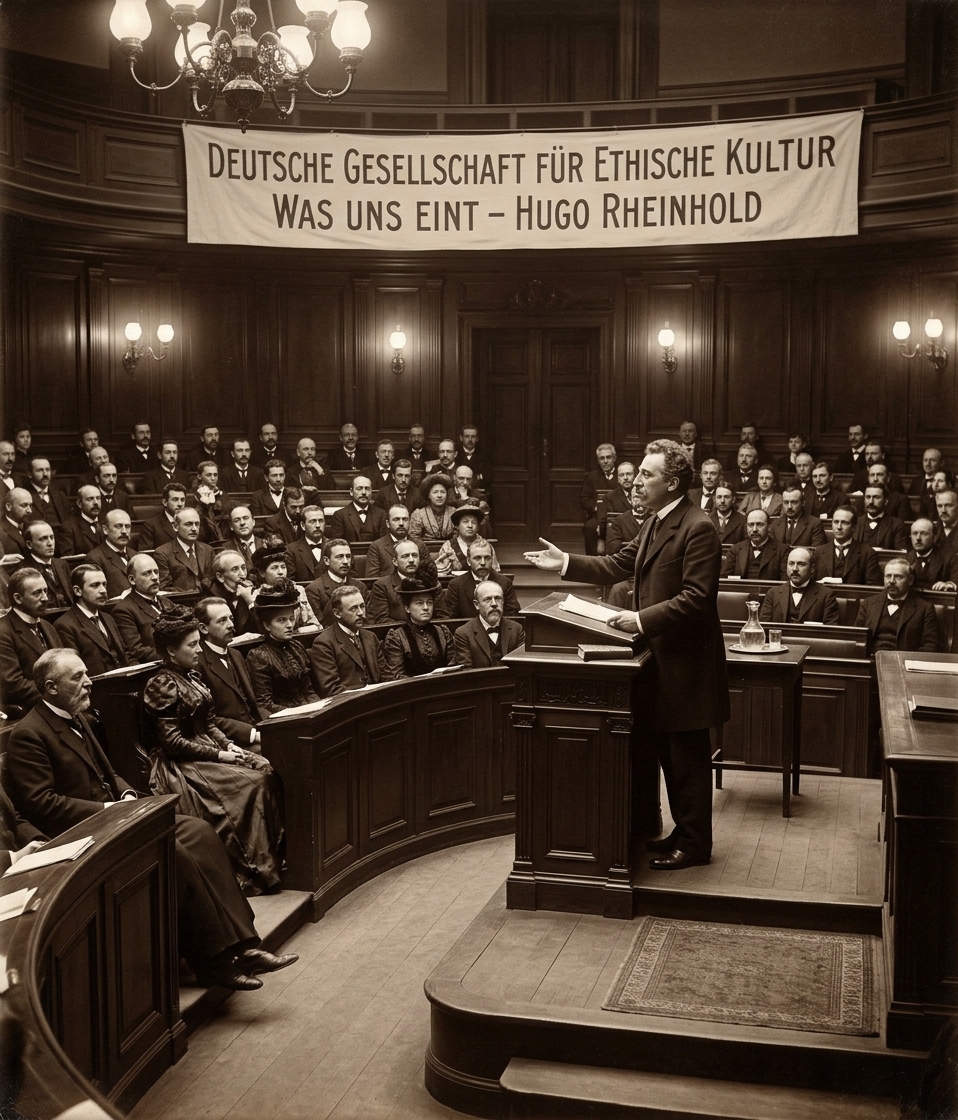 Was uns eint — What Unites UsRead Rheinhold’s 1894 address on the principles that might unite people across religious and philosophical divisions, presented with original German newspaper pages and a complete English translation.
Further reading
 Hugo Rheinhold — WikipediaConsult the encyclopaedia’s overview of Rheinhold’s biography, artistic career and principal works. A useful starting point for general readers, alongside the more detailed sources and studies collected here.Affe mit Schädel — WikipediaConsult the encyclopaedia’s introduction to the sculpture, its physical details, history and interpretation. Use this general reference alongside Darwin Monkey’s more extensive essays, images and primary sources.